
All hotels have been independently reviewed by our expert writers, who are usually hosted on a complimentary basis. We will earn a commission if you book via the links below, but this never affects …
News
A journey through Addo and memory on roads elephants once carved
The sun announced itself pretty early in Cookhouse on a Thursday in late February with the mercury flirting near 20⁰C as early as 6am. Further south, beachgoers must be chuffed, the ocean is about …
Is this the most luxe safari lodge in the world?
Is this the most luxe safari lodge in the world? – Dylan Jones is the first ever guest at Mantis Hiddn in Addo, South Africa …
Addo Elephant National Park safari experience
Addo Elephant National Park stretches across the Eastern Cape of South Africa, offering vast grasslands where wildlife roams freely. In this open landscape, African elephants move with quiet power, …
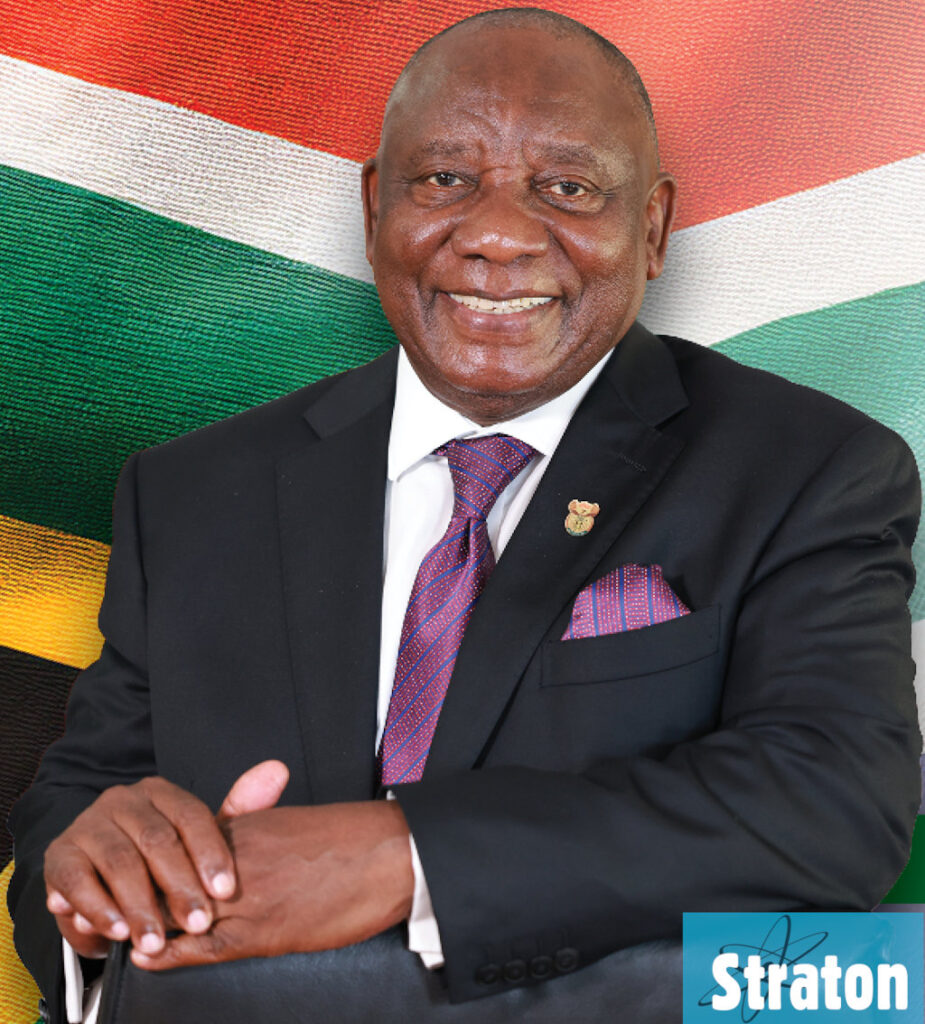
Straton Electrical Weighs In on SONA 2026: A Vision for Infrastructure, but Execution Concerns Remain
GQEBERHA – Following President Cyril Ramaphosa’s State of the Nation Address (SONA) delivered on 12 February 2026 in Cape Town, Straton Electrical – a leading electrical contracting firm in the Eastern Cape – has critically examined the President’s roadmap for the energy sector.
While the speech signaled a historic pivot toward a competitive electricity market, the local contracting industry remains cautious about the transition from high-level policy to “boots on the ground” implementation.
The “Good News”: Opportunities for Growth
Straton Electrical welcomes several key announcements that provide a clear runway for the electrical contracting and renewable energy sectors:
- End of the Eskom Monopoly: The President’s confirmation of a fully independent state-owned transmission entity (separate from Eskom Holdings) is a watershed moment. This leveling of the playing field is expected to accelerate Independent Power Producer (IPP) projects, creating a massive demand for private electrical grid-tie and substation infrastructure.
- The 40% Renewable Target: The bold commitment to have 40% of South Africa’s energy supply come from renewable sources by 2030 ensures long-term work for solar and wind contractors. The introduction of a 150% tax deduction for New Energy Vehicles (NEVs) and battery manufacturing further incentivizes industrial electrical upgrades.
- Infrastructure Spend: The allocation of R940 billion for infrastructure over the next three years—including R375 billion by state-owned companies—promises significant sub-contracting opportunities in the revitalisation of national power systems.
- Eradication of “Load Reduction”: The focus on provinces to address transformer overloading and illegal connections is a direct call to action for local contractors. Modernizing the distribution network is essential for the safety and stability of our communities.
Areas of Concern: The Challenges Ahead
Despite the optimism, Straton Electrical identifies significant “red flags” that could stifle progress:
- Municipal Incapacity: The President acknowledged that many municipalities lack the technical skills to maintain electricity supply. While the plan to establish “professionally managed, ring-fenced utilities” is sound, the transition period may lead to further infrastructure decay and payment risks for contractors working with local government.
- Grid Capacity Bottlenecks: While the President invited private investment into the grid, the current reality is that transmission constraints are still blocking new projects. The R440 billion needed for 14,000km of new lines is an astronomical figure, and the industry is concerned about the speed at which this “private capital” will actually be mobilized.
- The “Construction Mafia”: President Ramaphosa specifically mentioned that “building sites are shut down by criminals.” For electrical contractors, the threat of site disruptions and extortion remains a major risk factor that the speech addressed in theory but has yet to solve in practice.
- Technical Skills Gap: The massive scale of the proposed energy transition requires a workforce that South Africa currently lacks. Without an immediate, aggressive push in TVET college partnerships and apprenticeship funding, the industry may struggle to find enough qualified electricians to meet the 2030 targets.
Executive Commentary: “SONA 2026 feels like a shift from crisis management to structural reform,” says the Straton Electrical team. “The intent to decentralize the grid and embrace renewables is exactly what the industry has been asking for. However, for a contractor in Nelson Mandela Bay, the success of this plan depends entirely on whether the R54-billion municipal reform incentive actually reaches the street level to fix failing transformers and aging cables.”
Straton Electrical remains committed to supporting South Africa’s energy transition and will continue to provide expert solutions that align with the national goal of long-term energy security.
Images:
Links:
Boilerplate and Editor’s Notes.
More Info on Straton Electrical Weighs In on SONA 2026: A Vision for Infrastructure, but Execution Concerns Remain here:
Facebook: https://www.facebook.com/StratonElectrical/
CLICK HERE to submit your press release to MyPR.co.za.
My Press Release (MyPR) provides free South African targeted content and press releases for on and off line publishers and media.
Registering on MyPR enables public relations companies and practitioners to post articles under their own author name.
Public Relations Companies and practitioners, event organisers, sports and political writers use MyPR as a distribution mechanism for their press releases, content, images and news.
A forever free subscription allows publishers and media free access to all press releases, content and images on MyPR.

Turn Your Website Into a Submission Engine With Gravity Forms
If you have ever visited Gqeberha based MyPR.co.za, you’ve seen one of the most efficient uses of WordPress automation in South Africa. MyPR handles thousands of press releases annually, but they don’t have a team manually re-typing every submission.
Instead, they use Gravity Forms to do the heavy lifting.
The MyPR Workflow: From Form to Draft in Seconds
Most people think a form is just for “Contact Us” pages. MyPR uses Gravity Forms for Front-End Content Submission. When a PR professional submits a release on MyPR, the form is mapped directly to WordPress Post fields.
- The Title becomes the Post Headline.
- The Body becomes the Post Content.
- The Featured Image/s is/are automatically uploaded to the Media Library.
The Result? The release appears instantly as a “Pending Draft” in the WordPress backend, ready for an editor to review and publish with a single click.
Why Gravity Forms is the Industry Standard
Whether you are building a news portal like MyPR, a job board, or a complex registration system, Gravity Forms offers the reliability that free plugins simply cannot match.
- Post Creation Add-On: This is the “secret sauce.” It allows you to turn any form submission into a WordPress post or custom post type automatically.
- Advanced Conditional Logic: Show or hide fields based on user input, ensuring your users only see what they need to see.
- Secure File Uploads: Handle high-resolution images and PDFs with built-in security protocols.
- Bulletproof Integration: Connect your data to Mailchimp, HubSpot, or Zapier seamlessly.
Build Your Own Professional Workflow
Don’t let manual data entry slow your business down. If you want to scale your site’s functionality – whether for press releases, guest blogging, or user-generated content – you need a tool that handles the complexity for you.
Experience the power of the most advanced form builder on the market. Get started with Gravity Forms today and see why professional South African platforms like MyPR rely on it every day.
MyPR has an agency license dating back to the days when Gravity Forms started. There are now three different licenses available at 3 different price points: Basic, Elite (similar to our Agency license) and Pro.
Images:

My Press Release (MyPR) provides free South African targeted content and press releases for on and off line publishers and media.
Registering on MyPR enables public relations companies and practitioners to post articles under their own author name.
Public Relations Companies and practitioners, event organisers, sports and political writers use MyPR as a distribution mechanism for their press releases, content, images and news.
A forever free subscription allows publishers and media free access to all press releases, content and images on MyPR.
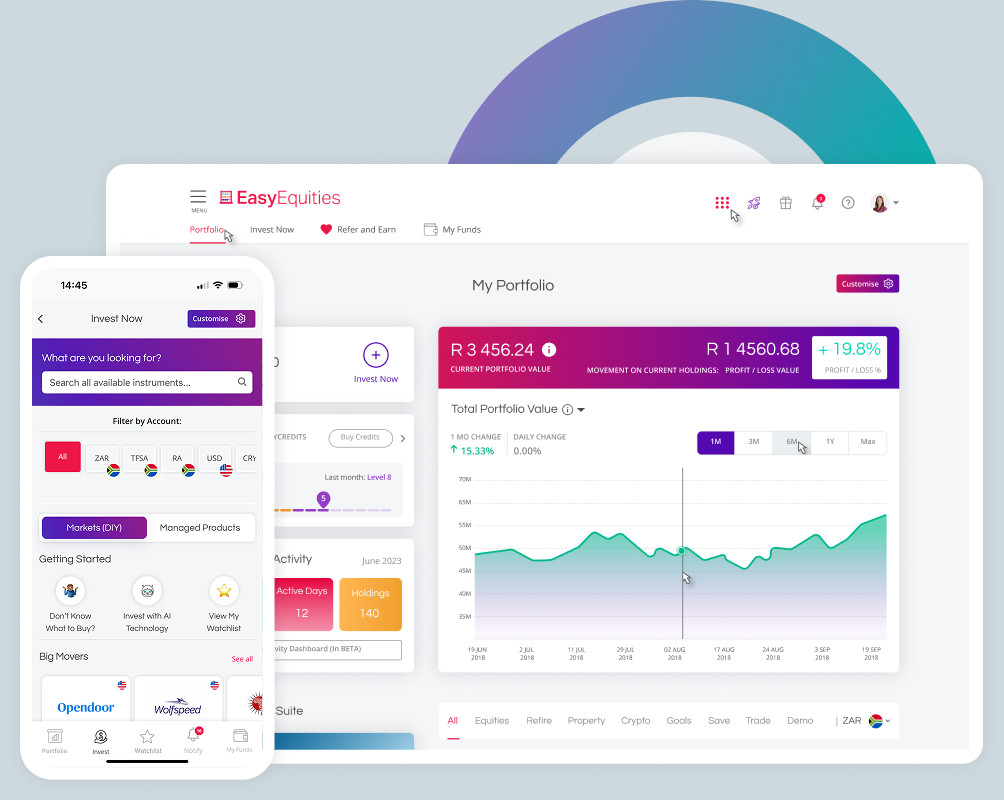
Question: Shouldn’t We ONLY Invest in JSE Listed Businesses Paying Large Tax Bills?
Receive a sign up bonus from EasyEquities with our compliments.
Then you should consider adding the stocks below to your EasyEquities portfolio…
In South Africa, corporate income tax (CIT) is heavily concentrated. According to recent SARS data, a tiny fraction of companies—roughly 0.2% of all assessed businesses—contribute nearly 60% of the country’s total corporate tax revenue.
The primary contributors are dominated by the “Big Four” banks and major telecommunications firms. Based on the 2024/2025 fiscal reports and PwC’s Major Banks Analysis, here are the JSE-listed companies that pay the largest amounts of direct tax to SARS:
1. The Financial Sector (The Heavyweights)
The banking sector is consistently the largest contributor to CIT. In 2023/2024, the major banks paid a combined total of over R37 billion in direct taxes.
Company Name – Estimated Annual Direct Tax (SA)
- Standard Bank Group – ~R12.72 billion
- FirstRand Limited (FNB/RMB) – ~R12.59 billion
- Absa Group – ~R8 billion+
- Nedbank Group – ~R4.43 billion
- Capitec Bank – ~R2.88 billion
2. Telecommunications
Telecom giants are critical contributors due to their massive domestic consumer bases and consistent profitability.
- MTN Group: Reported approximately R7.5 billion in total income tax for the 2023/2024 fiscal year.
- Vodacom: Contributed roughly R4.4 billion in direct taxes (with a total public finance contribution, including indirect taxes, of over R13 billion).
3. Retail and Consumer Goods
- Shoprite Holdings: As Africa’s largest retailer, they paid roughly R2.46 billion in South African income tax alone.
- Naspers/Prosus: While much of their revenue is international, their South African operations contributed roughly R2.14 billion in the most recent fiscal period.
Sector Performance Trends (2025/2026)
The “Top Taxpayer” landscape has shifted slightly recently due to economic conditions:
- Mining Sector Decline: Historically, miners like Anglo American Platinum and Kumba Iron Ore were the top taxpayers. However, due to softening commodity prices (especially PGMs and Coal) and logistical challenges at Transnet, their tax contributions fell by over 50% in the 2024/2025 period.
- Financial Growth: The Financial Intermediation and Insurance sector has taken over as the primary driver of tax growth, buoyed by high-interest rates which increased bank profitability.
Images:
Links:
- More Info on Question: Should We ONLY Invest in JSE Listed Businesses Paying Large Tax Bills? here:
- Open an EasyEquities Account and get a signing bonus here: https://bit.ly/3Hah4OE
CLICK HERE to submit your press release to MyPR.co.za.
My Press Release (MyPR) provides free South African targeted content and press releases for on and off line publishers and media.
Registering on MyPR enables public relations companies and practitioners to post articles under their own author name.
Public Relations Companies and practitioners, event organisers, sports and political writers use MyPR as a distribution mechanism for their press releases, content, images and news.
A forever free subscription allows publishers and media free access to all press releases, content and images on MyPR.
ENVI Lodges expands across the Middle East and Africa with four nature-immersed lodges
ENVI Lodges unveils a landmark year of growth in 2026 with the upcoming openings of four new lodges across Saudi Arabia, Tanzania, and South Africa. Each property embodies ENVI Lodges’ philosophy of …
Are You Throwing Money Away?
Two recent incidents have prompted Straton Prepaid to expand on this subject.
The first one was a personal wake-up call:
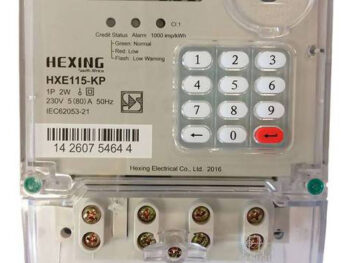
I recently renovated my flatlet and installed a new Sub DB with new wiring. Unfortunately, the existing prepaid meter was ‘tossed’ out in the rubble.
It took me a few months to upgrade my main distribution board and re-connect my manual meter reading the flatlet consumption. Yes, the one is a fail safe for the other!
When I finally got around to reading my manual meter I received a bit of a shock! My tenant has been consuming just over R2000 in electricity per month, for which I have been paying.
A new prepaid electricity meter has been installed and recoveries have begun again.
Now – the price to the consumer for supply and installation to a flatlet with a sub distribution board that complies is under R2000.00
So – for less than one month’s worth of electricity I will now recover my tenant’s usage for years to come (or, until the next renovation).
The second was from a recent quotation:
The client owns a building in an industrial area in Gqeberha.
At present the tenant pays R12000 per month in rental.
The rental includes electricity and water.
The municipal electricity bill to the owner is just over R13000 per month.
Factor in water consumption, rates, maintenance, estate agent commission etc and the owner is on a slippery path to nowhere.
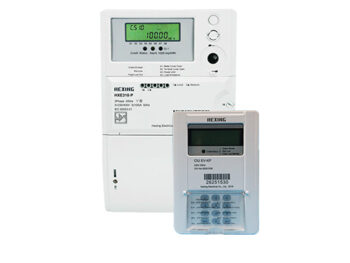
Three phase Prepaid Electricity Meter:
Sure, the electricity supply is three phase to the building and installation will cost a tad more but certainly NOT R13000.
So, the client could save R13000 per month for years just by spending half of that amount on the supply and installation of a 3 Phase Prepaid Electricity Meter. A MAGNIFICENT ROI for any landlord.
Presently we install the Hexing HXE310-P (PLC) – a three-phase, 100A, split-type prepayment meter commonly used for smart electricity metering. It operates with a Customer Interface Unit (CIU) that communicates via Power Line Communication (PLC).
Biggest Bang for Your Buck:
If you have a tenant downstream of your main distribution board then it is a no brainer to install a Prepaid Electricity meter – your retirement nest egg will thank you.
What about rental increases?
We do come across many owners of property who have never factored in tenants paying for their own electricity and water consumption.
Obviously landlords do not want to chase good paying tenants away so we suggest that owners engage with tenants and maybe tell them that a prepaid meter will be installed and the normal rental increase will be waived for the next 12 months.
OR, just be honest with your tenant and play open cards with regards to just how expensive electricity and water usage has become on the property.
At the end of the day landlords have seen how ‘electricity bracket creep’ is eroding their profitability and should be taking active early steps to recover the cost of utilities.
The user must pay for their usage.
Links:
Boilerplate and Editor’s Notes.
More Info on Are You Throwing Money Away? here:
Facebook: https://www.facebook.com/StratonElectrical/
CLICK HERE to submit your press release to MyPR.co.za.
My Press Release (MyPR) provides free South African targeted content and press releases for on and off line publishers and media.
Registering on MyPR enables public relations companies and practitioners to post articles under their own author name.
Public Relations Companies and practitioners, event organisers, sports and political writers use MyPR as a distribution mechanism for their press releases, content, images and news.
A forever free subscription allows publishers and media free access to all press releases, content and images on MyPR.
New ultra-luxury hotel opening in South Africa
The Mantis Collection is a South African luxury hotel group founded in 2000 by Adrian Gardiner and has expanded across Africa and the Middle East.
Mantis Collection to open South Africa eco-lodge next to elephant park
Opening March 1, the Mantis Hiddn in Addo will operate completely off the grid and will be adjacent to Addo Elephant National Park.
Mantis unveils trio of eco-luxury escapes across Africa and the Middle East
Mantis has announced three new eco-luxury openings across South Africa, the UAE and Saudi Arabia, with a remote off-grid sanctuary in Addo leading its 2026 …
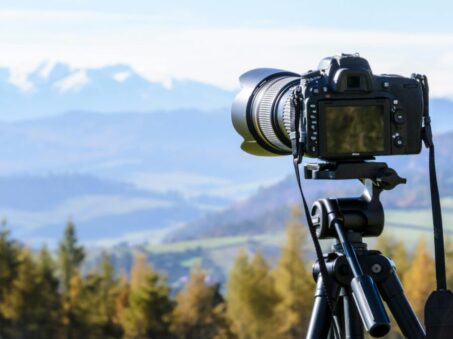
Everything You Need to Know about Photography Tours
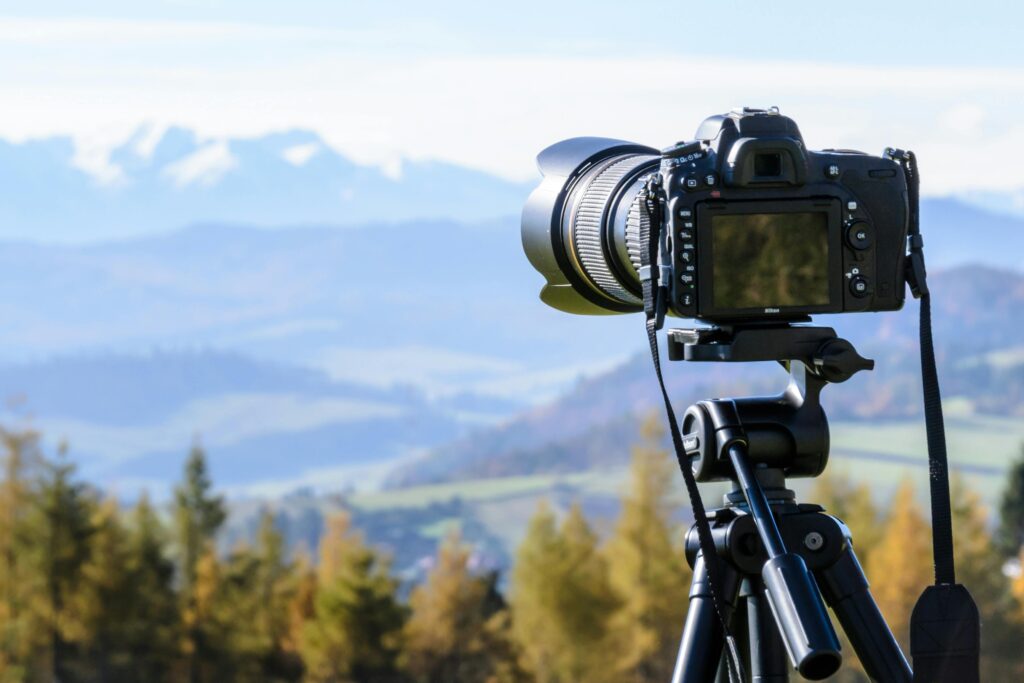
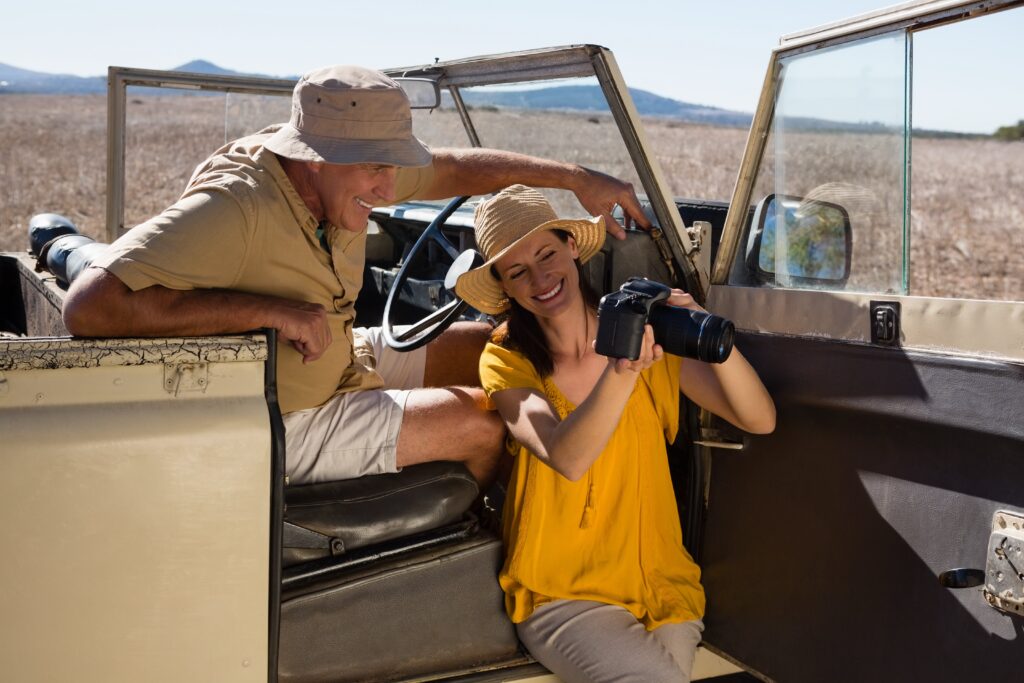
A photography tour is a guided trip built around taking great images. Instead of just sightseeing, the itinerary, timing, and guiding are designed to put you in the right place at the right time with expert support.
What are typical features of a photography tour?
You’ll be guided by an expert, usually a professional photographer, who knows both the location and the craft – helping people on the tour with composition, camera settings, and fieldcraft. Your purpose-built itinerary will include early starts, sunset sessions (otherwise called “golden hour”), and off-peak visits so you hit locations in the best light and with fewer crowds.
Generally, a tour like this will be limited to a small group of say four to 10 people, to allow for better access and one-on-one guidance. One extra nice thing about tours like this is that all the logistics will generally be handled by those in tourism jobs on your behalf, from transport, accommodation, and park permits, to local guides and most meals – so you can focus on shooting.
Think of it as a workshop on the move: you’re learning, shooting, reviewing images, and sharing the experience with like-minded people.
Why are photography tours in South Africa so popular?
South Africa is a dream destination because it offers an extensive variety of options in a relatively compact, easy-to-travel. Select between:
- world-class wildlife: Kruger National Park and private reserves like Sabi Sands are renowned for big cats, elephants, rhinos, giraffes and more, often at close range;
- dramatic landscapes: From the Drakensberg mountains to the Garden Route coastline and the Western Cape’s vineyards and seascapes, you can shoot multiple ecosystems in one trip;
- great infrastructure: You’ll enjoy quality lodges, internal flights, and tour operators with specialised vehicles adapted for photographers (swivelling seats, lens supports, and open sides)’ and
- year-round options: Different seasons enhance different styles of work – the dry season for clean wildlife images, or the wet season for lush green landscapes and dramatic skies.
On top of all this, many South African photo tours are run by local photographers who know specific animals’ territories, den sites, roosts and waterholes, giving you a much higher chance of those “bucket list” shots.
What are the top photography-tour regions within South Africa?
Four key regions and their most fascinating highlights appear below:
a) Kruger National Park & other private reserves
- Style: Big-5 wildlife, birds, environmental portraits, and night drives.
- Highlights: Frequent encounters with lions, leopards, elephants, buffalo and rhino; and seasonal opportunities such as newborn animals in the wet season.
- Best time: The dry, winter months (roughly May to September) are considered ideal for wildlife photography, due to thinner vegetation, animals concentrated at waterholes, and softer light.
Private concessions, such as Sabi Sands, often allow off-road driving and fewer vehicles per sighting, which is considered “gold” for photographers.
b) Cape Town & the Western Cape
- Style: Seascapes, cityscapes, street photography, and cultural documentary.
- Highlights: Table Mountain, Chapman’s Peak Drive, and Boulders Beach penguins; and the colourful houses of the Bo-Kaap together with the working harbour at Kalk Bay.
- Best time: Summer and the shoulder seasons (roughly October to April) for long golden hours and relatively stable weather; winter can bring moody skies and dramatic surf.
c) The Garden Route & Eastern Cape
- Style: Forest and coastline landscapes, and slower-paced wildlife safaris.
- Highlights: Coastal cliffs around Knysna and Tsitsikamma; and malaria-free wildlife reserves in the Eastern Cape (great for families).
d) KwaZulu-Natal (KZN)
- Style: Bird photography, wetlands, cultural and community work.
- Highlights: Coastal reserves like iSimangaliso, famous for birdlife and varied habitats; and Zulu cultural experiences, traditional villages, and ceremonies in some tours.
What does a typical South African photo-safari day look like?
While each operator presents a slightly different offering, a “classic” safari photography routine might look like this:
- 05:00 to 05:30 – Wake-up & coffee: Quick snack, gear check, climb into the game vehicle before sunrise.
- 06:00 to 09:30 – Morning game drive: Focus on soft light and animal behaviour. The guide and photo leader position the vehicle with the sun angle and background in mind. You may keep going with one subject for an hour, or even longer.
- 10:00 to 14:30 – Midday break: Brunch, rest, download cards, and batteries on charge. Many tours include classroom-style sessions or image critiques, which you can attend during the heat of the day.
- 15:30 to 18:30 – Afternoon/evening drive: Golden-hour portraits, backlit dust, and silhouettes. Some lodges offer limited night photography, using with spotlights or the stars.
- Evening – Dinner & review: Informal Q&A, planning for the next day, dealing with technical challenges like high-ISO noise or focus issues.
On city or landscape tours (e.g., Cape Town or Drakensberg), the rhythm will be similar: pre-dawn departures, midday breaks, sunset and blue-hour sessions.
How do photography tours differ from normal safaris or tours?
There are five key differences:
- Tourist safaris often rush from animal to animal or viewpoint to viewpoint. Photo tours, on the other hand, typically stay longer at one scene to allow for changing light, behaviour, and composition;
- Everyone on board is there to shoot. Nobody starts complaining if you spend 20 minutes waiting for a lion to yawn, or a wave to break just right;
- Some specialist tourism job operators can remove certain rows of seats, plus add gimbal mounts and beanbag ledges so photographers can manoeuvre with big telephoto lenses, if required;
- You’re encouraged to ask about settings, critique images, and experiment as desired. Many tours include structured lessons on composition, exposure, and post-processing; and
- Tours are often timed to coincide with special events: migrations, wildflower seasons, autumn colours, or specific festivals just so that you have the optimal possible experience of that setting, or location.
What other countries are especially popular for photography tours?
While South Africa (and the wider southern African region) is hugely popular for photography tours, there are several other “heavyweight” destinations where such tours are extremely common.
These include:
Iceland
- Why it’s popular: Glaciers, black-sand beaches, waterfalls, ice caves, and volcanoes. Winter tours for aurora borealis; summer tours for midnight sun.
- Typical subjects: Long-exposure waterfalls, dramatic seascapes, abstract patterns in ice and lava, and night-sky photography.
Japan
- Why it’s popular: Cherry blossom (sakura) in spring, fiery maples (k?y?) in autumn, snowy landscapes in Hokkaido, plus neon cityscapes in Tokyo and Osaka.
- Typical subjects: Seasonal foliage, temples and shrines, street photography, cultural festivals, and wildlife like Japanese macaques or red-crowned cranes (on specialised tours).
Italy
- Why it’s popular: Iconic cities (Venice, Florence, Rome), hill towns in Tuscany, and Dolomites mountains.
- Typical subjects: Architecture, everyday European street life, Mediterranean coastlines, and alpine scenery.
Arctic & Northern Europe
- Destinations: Finland, Norway, Sweden, Greenland.
- Why: Northern Lights tours, winter wildlife (orcas, whales), snowy forests and frozen lakes.
Latin America & Others
- Peru, Bolivia, Chile: Andean peaks, salt flats, and the Atacama Desert.
- Belize & Central America: Jungle, caves, and reefs.
- India & Southeast Asia: Colourful markets, festivals, temples, and rural life.
Across all these destinations, the same principles generally apply: small groups, knowledgeable guides, and itineraries tuned for light and access.
How do I choose the right photography tour?
A main factor you should consider and evaluate, is your experience level (whether beginner, or intermediate/advanced). Beginners often benefits from an emphasis on teaching, small groups, and patient instruction, while those at intermediate or advanced level may prefer itineraries that advertise “maximum time in the field,” access to rare species or hard-to-reach locations, and fewer classroom sessions.
It’s also good to find out in advance the group size and guide ratio. Aim for six to 10 guests on general landscape/city tours; and three to four photographers per vehicle on safaris – ideally with each having a “corner” seat and unrestricted shooting angles.
Next up, look over the itinerary, pace, and day-by-day plan. Are there long transfers every day? How many actual sunrise/sunset sessions are promised? And are there rest days built in to manage fatigue – especially in remote areas?
Two last but important considerations include specialisation and subject focus (i.e. birding vs big mammals, street and culture vs landscapes, or night skies, macro, or drones. You’re advised to select the operator whose portfolio reflects the work you most wish to create); and both ethics and sustainability (good signs in a photography tour operator, include their partnering with local guides and communities, clear policies on animal welfare, and respectful guidance on photographing people and sensitive cultural sites).
What gear should I bring on a photography tour?
Cameras:
- a primary camera body plus a backup, if possible. Dust, vibration, and weather can be punishing;
and - a DSLRs and mirrorless bodies are both common; choose what you’re comfortable with.
Lenses (wildlife-focused tour):
- a telephoto zoom: 100 to 400mm, 150 to 600mm, or similar is the workhorse for mammals and birds;
- a fast telephoto prime (optional): 300mm or 400mm, with f/2.8–f/4 if you’re serious about wildlife;
- a wide-angle zoom: 16 to 35mm or equivalent for landscapes, night skies, and environmental animal shots; and
- a standard zoom: 24 to 70mm or similar for lodge life, portraits, and general travel images.
Lenses (city & landscape tours e.g., Iceland, Italy, Japan):
- ultra-wide i.e., 14 to 24mm or 16 to 35mm;
- a standard zoom, i.e., 24 to 70mm; and
- short telephoto i.e., 70 to 200mm, for compressed landscapes and candid people shots.
Your tour operator will usually send a packing list; use it, but don’t be afraid to ask follow-up questions about realistic focal length needs for specific destinations.
Additional items of support, as well accessories include:
- a sturdy tripod (especially for waterfalls, night skies, cityscapes);
- a beanbag or window supports for safari vehicles;
- plenty of memory cards and at least one backup drive;
- rain covers or dry bags for sudden showers and
- cleaning kit: blower, microfibre cloths, or sensor cleaning if you’re comfortable with it.
Are there any legal or safety issues I should know about, especially in South Africa?
Yes, read on about drone usage, wildlife ethics, and general travel safety.
Drones in South Africa
South Africa has fairly detailed drone regulations overseen by the South African Civil Aviation Authority (SACAA). Key points generally include:
- restrictions on flying near airports, national key points, and densely populated areas;
- visual-line-of-sight requirements and maximum altitude limits; and
- commercial operators need certification and licensing, while recreational users must still respect strict rules, especially in national parks.
National parks like the Kruger typically ban drones for recreational visitors, due to safety, noise, and wildlife disturbance. Always check the latest park and national regulations before you travel and, if in doubt, leave the drone at home.
Wildlife and park rules: You’re advised to stay inside vehicles, unless your guide says otherwise, and to be sure not to pressure animals or block their movement for the sake of a photo. Other advice to note is that no feeding is allowed in the national parks, and please don’t use a flash at night unless a guide specifically allows it for a certain species.
Personal safety: South Africa, like many destinations, has areas with higher crime rates. Reputable tour operators minimise risk by using vetted drivers and lodges; advising on when/where it’s safe to walk with expensive photographic gear; and by organising transfers instead of relying on random taxis or self-driving in unfamiliar cities after dark. Remember to always follow your guide’s advice, and use common sense (discreet gear carrying, and not leaving equipment visible in cars, as just two examples).
How do I prepare creatively for a photography tour?
Beyond gear and logistics, prepare your eye and your mindset with these five tips:
- Study other photographers’ work that you emulate – Look at images from your chosen destination, including tour websites, Instagram, and photo blogs. This will show you classic views and also gaps where you can create something different.
- Research the subject matter -For wildlife: learn basic behaviour patterns i.e., hunting, mating, parenting. It helps you anticipate the kind of action you may expect. For cities/culture: learn about festivals, customs, and etiquette.
- Practice at home – Simulate your tour challenges, which could include anything from panning moving subjects in low light and long exposures with filters, to shooting in harsh midday sun and still getting usable images.
Define a small personal project – Examples could include “backlit portraits of animals”, “hands and gestures in street markets”, or “minimalist seascapes.” A simple project like this helps you stay focused when travel overstimulation hits. - Plan your backup workflow – This should ideally encompass two copies of your files (laptop + external drive, or two drives); and daily downloads with simple folder naming (e.g., “Day 01_Kruger_Morning”).
Is a photography tour worth the cost?
Photography tours are rarely cheap – especially when they involve remote destinations, specialist guides, and small groups. Whether they’re “worth it” depends on what you value. Reasons they often are worth it is that you’re effectively paying for time, access and expertise; things that can take years to piece together without an organised tour. You’re more likely to return with a cohesive body of work rather than a random collection of snapshots, and many participants describe them as “trips of a lifetime” not only for the photos, but for the friendships and shared focus that goes along with it
However, be sure to reconsider going on a tour like this if you prefer total independence and wandering off alone; as well as if you’re mainly a casual shooter and would be happiest with a simple sightseeing tour plus a few self-guided photo walks. A good plan in this case is to select a hybrid option i.e. shorter three to four day photo workshops, attached to a longer general holiday where you can do your own thing.
How can I be a respectful guest while photographing people and places?
The best tips in this category range from always asking permission where appropriate (in many cultures it’s appreciated if you ask before taking someone’s close-up portrait. A smile, a gesture to your camera, and a simple “OK?” goes a long way), and being sensitive when it comes to children and vulnerable people (always check with parents or guardians, and avoid images that feel exploitative or that you wouldn’t be comfortable showing them afterwards). On that note, be sure to share the results if you can – show people the back of the camera; some tours facilitate sending prints or digital copies later.
Lastly, follow local customs and rules: some religious sites or government buildings restrict photography. Your guide should brief you, but asking never hurts. And remember that you’re telling real stories, so try to avoid clichés and stereotypes. Look for moments of everyday life, dignity, and humour – not just “exotic” differences.
What’s the ideal first photography tour: South Africa or somewhere else?
If you’re torn between South Africa and other popular destinations like Iceland or Japan, consider the following:
- Choose South Africa if you want wildlife front and centre; you like warm climates and golden light more than cold, harsh environments; and you’re excited by the idea of early-morning game drives, sundowners in the bush, and the chance of seeing the Big 5 – potentially all in a single day.
- Choose Iceland or the Arctic if you’re drawn to dramatic landscapes, waterfalls, glaciers, and night skies; and if you’re comfortable with cold and potentially challenging weather.
- Choose Japan or Italy if you love culture, food, architecture, and street life as much as (or more than) nature; and you’re happy to walk a lot, ride on public transport, and shoot in urban environments.
Ultimately, the “best” first tour is the one you’re genuinely excited about – your enthusiasm will fuel you through early alarms, jetlag, and what could end up being rather long (and thrilling!) days.
What final tips can you offer to help me make the most of any photography tour I go on?
- Travel as light as you can – Bring what you’re truly going to use. A slightly limited kit you know well, beats a back-breaking load you’re going to fumble with.
- Embrace all weather – Many iconic images come from “bad” weather, such as storms, fog, and even drizzle. Have rain protection and keep shooting.
- Be patient – Great images often come from waiting: for the animal to move into the right line of light, for a person to walk into your frame, or for clouds to shift.
- Stay present – Don’t spend every break on your phone or buried in editing. Take time to actually experience the place: the sounds, smells, and conversations will influence how you shoot.
- Back up daily – Assume that anything not backed up twice (or more!) could vanish tomorrow.
Photography tours, whether tracking leopards in South Africa, chasing auroras in Iceland, or roaming temple paths in Japan, are about more than just “getting the shot”. They’re about immersing yourself in a place with a camera, as your excuse to pay extra-special attention to it.
Images:

CLICK HERE to submit your press release to MyPR.co.za.
Links:
Boilerplate and Editor’s Notes:
More Info on Everything You Need To Know About Photography Tours here: https://travex.com/
X: https://x.com/VanessaRogers3
LinkedIn: https://www.linkedin.com/in/textbox-conceptual/
Facebook: https://www.facebook.com/textboxconceptual/
My Press Release (MyPR) provides free South African targeted content and press releases for on and off line publishers and media.
Registering on MyPR enables public relations companies and practitioners to post articles under their own author name.
Public Relations Companies and practitioners, event organisers, sports and political writers use MyPR as a distribution mechanism for their press releases, content, images and news.
A forever free subscription allows publishers and media free access to all press releases, content and images on MyPR.
It’s a Celebration for CDC Pupils
Probably the strongest message that I have received from the Coega Maths and Science Programme (MSP) is that failure is just another opportunity to do better next time!
In a nutshell, the MSP – a no-fee CDC CSI Initiative run by Eldon September – accepts pupils who have done well in subjects other than Maths and Science and then gives these pupils a second chance to get a better Grade 12 result by repeating their School-Based Assessment (SBA) and sit for the National Senior Certificate examinations as part-time candidates at the end of the year.
From personal experience in my home I can attest that this approach often does bring exemplary results and a renewed sense of pride and maturity in the pupil. Young John elected to repeat Grade 7 last year and has grown in leaps and bounds as he re-affirmed the core learning required to pass and went from bottom to top.
This morning MSP celebrated their Class of 2025 with a certificate handover and celebrated 4 Distinctions – 3 in Maths and 1 in Science)
2025’s Top Three learners were:
- Cassey Barbier: Maths 91%, Sciences 85%
- Alizwa Spelmandla: Maths 87%, Sciences 72%
- Simengemalenkosi Mgoduka: Maths 82%, Science 74%
For the past four years the programme has produced a 100% pass rate.
The split between male and female for 2025 was 80% Female and 20% Male.
The Coega Maths and Science Programme (MSP) is a flagship Corporate Social Investment (CSI) initiative run by the Coega Development Corporation (CDC). It is specifically designed as a “second chance” school for matriculants who wish to improve their Grade 12 results in Mathematics and Physical Science.
Located at the Coega Skills Development Centre in Gqeberha, the program aims to bridge the gap between high school and tertiary education, particularly for students from disadvantaged backgrounds.
Core Objectives:
Upgrading Results: To help learners improve their marks to meet the entry requirements for Science, Technology, Engineering, and Mathematics (STEM) degrees.
Skills Development: To address the critical shortage of scarce skills in South Africa by feeding more students into technical and engineering fields.
Community Upliftment: By offering the program at no cost, it removes financial barriers for families in the Nelson Mandela Bay area.
The school follows an intensive, full-time curriculum that mirrors the traditional academic year:
Classes typically run from February to October, Monday to Friday (08h00 – 16h00).
The focus is exclusively on Mathematics and Physical Science.
Learners repeat their School-Based Assessment (SBA) and sit for the National Senior Certificate examinations as part-time candidates at the end of the year.
The program is highly regarded for its “catalytic” impact on students’ lives.
The program has recently maintained a 100% pass rate for three consecutive years (2022–2024).
Distinctions:
The Class of 2023 produced 10 distinctions in Mathematics, with several students jumping from failing grades to scores above 70% or 80%. 2024 produced 9 Maths Distinctions and 4 Science Distinctions.
Admission Requirements:
To be eligible for the program, applicants usually need to meet the following criteria:
- Full Matric Completion: You must have passed all other Grade 12 subjects.
- Minimum Threshold: Applicants must have scored at least 20% in Mathematics and Physical Science in their previous attempt.
- Residency: Preference is strongly given to residents of Nelson Mandela Bay.
- Documents: Requires a statement of matric results and a South African ID copy.
Location & Contact Information:
The program is facilitated at the Coega Human Capital Solutions (HCS) Building:
- Physical Address: Zone 4, Coega Special Economic Zone (SEZ), Gqeberha.
- Email: eldon.september@coega.co.za or info.msp@coega.co.za
- Web Site: https://coega.co.za
- Application Window: Usually opens in mid-January each year for a limited intake (traditionally around 100 learners).
Images:
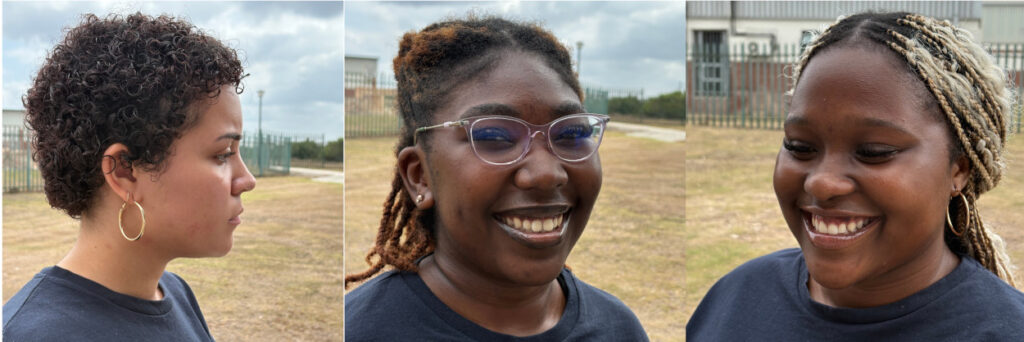
2025’s Top Three learners were: Cassey Barbier, Alizwa Spelmandla and Simengemalenkosi Mgoduka. Photo: Alan Straton
Video:
I interviewed the Top Three – see below:
Links:
Boilerplate and Editor’s Notes.
More Info on It’s a Celebration for CDC Pupils here:
X: https://twitter.com/MyPE
CLICK HERE to submit your press release to MyPR.co.za.
My Press Release (MyPR) provides free South African targeted content and press releases for on and off line publishers and media.
Registering on MyPR enables public relations companies and practitioners to post articles under their own author name.
Public Relations Companies and practitioners, event organisers, sports and political writers use MyPR as a distribution mechanism for their press releases, content, images and news.
A forever free subscription allows publishers and media free access to all press releases, content and images on MyPR.
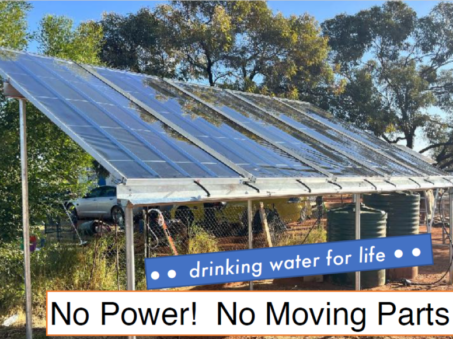
An Alternative to Tanked Water Supply


Video:
https://www.youtube.com/channel/UCiF62O_BVvJ-q3ZokuNJPRw
An Alternative to Tanked Water Supply
CLICK HERE to submit your press release to MyPR.co.za.
Links:
Boilerplate and Editor’s Notes:
More Info on An Alternative to Tanked Water Supply here: https://www.carocell.africa/
LinkedIn: https://www.linkedin.com/company/108587966/
Facebook: https://www.linkedin.com/posts/louise-wessels-b16037302_in-south-africa-the-reliance-on-tanked-water-activity-7416754884722638849-d684
My Press Release (MyPR) provides free South African targeted content and press releases for on and off line publishers and media.
Registering on MyPR enables public relations companies and practitioners to post articles under their own author name.
Public Relations Companies and practitioners, event organisers, sports and political writers use MyPR as a distribution mechanism for their press releases, content, images and news.
A forever free subscription allows publishers and media free access to all press releases, content and images on MyPR.
Land reform in South Africa: How new landholders could prosper from wildlife
This starts with growing mixed livestock-wildlife enterprises that match existing knowledge and allow farmers to build experience and capital …
Why Solar Salespeople Are Compared to Snake Oil Salesman of Old
I think back to the first online adverts that I used to see for renewable energy systems like Solar Panels and wonder if they were the reason for a lot of scepticism.
Those adverts promised free electricity without mentioning the investment needed to generate said free electricity.
Now to the uninitiated the word ‘free’ conjures up easy street life with no worries and no special skills required.
I recall also the start of loadshedding 1.0 in South Africa – the number of quotations that I did every day was simply horrendous. Almost as horrendous as the strike rate of less than 1%.
I tried mightily to increase the strike rate by pre-qualifying client enquiries and warning prospective clients that in order to kick Eskom to touch they would need to spend – in those days – a minimum of R340 000 if they wanted battery storage of 14 kW plus an inverter and solar panels.
But, the desire to get FREE electricity blinded them to the real expenses.
Our country missed a really good opportunity to get rid of loadshedding much sooner if only they had heavily promoted my ‘hippy’ option, and introduced some form of incentive encouraging property owners to install Grid Tie Only – my ‘hippy’ option.
Grid Tie only is not only much cheaper but also shows a far quicker Return on Investment. The equation is simple – produce more than you use on any given day and that will reduce/negate your night time usage.
The ‘hippy’ option was quite straightforward:
- Install and over panel with Solar Panels only
- No battery (i.e still subject to loadshedding)
- Allow your excess production to go to the grid to help support Eskom
If we had a 50 000 households each sending 10 kWh per day into the grid we could have gifted FIVE HUNDRED Megawatts per day to Eskom – not to mention the even larger savings from self consumption.
Eskom produces tens of thousands of megawatts daily, but a precise single number isn’t fixed; it’s a dynamic range, often in the 30,000-40,000 MW band, heavily impacted by plant performance and system constraints, with peaks and troughs daily.
For a solar system with batteries and enough capacity to be called off grid you will be paying around R300 000 today – this for a system at least three times in size of the first battery driven systems.
For most of these large, redundancy focused systems you can expect a return on investment to kick in in year 7 after installation.
The above ROI represents a 23% year on year Compound Annual Growth Rate – numbers that are horrendously impossible to consistently achieve using normal market investments.
Why Snake Oil Salesmen?
- There is no such thing as a free lunch – even free air and food demands an investment.
- Our loadshedding turned the purchase of a Solar System into an emotional grudge purchase.
- Loadshedding drove the demand for a NOW solution rather than an informed solution.
- Solar Salespeople more often than not promised the world and then delivered a small patch of sand.
- Due to the pressure many fly by nights entered the industry and failed to understand the long term commitment required to service clients thereafter.
Links:
Boilerplate and Editor’s Notes.
More Info on Why Solar Salespeople are Compared to Snake Oil Salesman of Old here:
Facebook: https://www.facebook.com/StratonElectrical/
CLICK HERE to submit your press release to MyPR.co.za.
My Press Release (MyPR) provides free South African targeted content and press releases for on and off line publishers and media.
Registering on MyPR enables public relations companies and practitioners to post articles under their own author name.
Public Relations Companies and practitioners, event organisers, sports and political writers use MyPR as a distribution mechanism for their press releases, content, images and news.
A forever free subscription allows publishers and media free access to all press releases, content and images on MyPR.
Want to Free Yourself From Municipal Electricity Bills?
- AND have a redundant system!
- Are batteries still viable in this ‘loadshedding lite’ pattern we find ourselves in?
I recently wrote an article comparing the average annual percentage increase for electricity in Nelson Mandela Bay and contrasted that with the average annual percentage increases for municipal employees and councillors. (Article here: https://mynmb.co.za/how-the-nmbm-contributes-massively-to-nelson-mandela-bays-financial-failure/)
That got me thinking about how we could zero our consumption at home and have a redundant Solar System.
Want to Join me to Free Yourself From Municipal Bills?
I have already taken the first step and prepared my Distribution Board for the installation of a Solar System (See: https://mypr.co.za/a-real-tale-of-the-cobbler-and-his-shoes/)
The second conversation is around monthly consumption – I find myself on the Top Tier and we consume around 1200 kWh’s per month.
I require a certain amount of redundancy so that means installing TWO inverters (and batteries if required).
I need to produce around of 40kwh’s per day.
That would mean around 12kw of PV Panels which is approximately 22 panels.
The redundancy idea also gives the ability to utilise an east, north, west orientation (with four MPPT’s)
A 30 – 40kWh battery bank will carry us through the night and on cloudy days.
The above setup, with two 12kW inverters will produce from 40 – 65kwh’s per day in summer – allowing for top up and self consumption.
My flatlet tenants consume around 450 units of electricity per month – so that will increase my recovery on the upfront investment a bit faster.
There are two suggestions as to equipment:
- 2 x Sunsynk 8kW Hybrid Inverters plus 6 x 5.12kWh batteries plus 20 x Tier 1 Solar Panels OR
- 2 x 12kw Sigenergy Hybrid Inverters plus 4 x 8.06kWh Sigen Battery Modules plus 22 x 550W Tier 1 Solar Panels
Estimated pricing (Including BoS, Cabling and Labour):
- Sunsynk: R237 900 – R283 500.
- Sigenergy – R282 000 – R348 000.
As Straton Solar are installers of both models my preference is for the Sigenenergy range.
Should I opt for the highest estimated amount of R348 00 then it will take me 7 years to recover that investment.
BTW – In year 7 the price of electricity (increased by 12% per annum) will be R9.02 per unit.
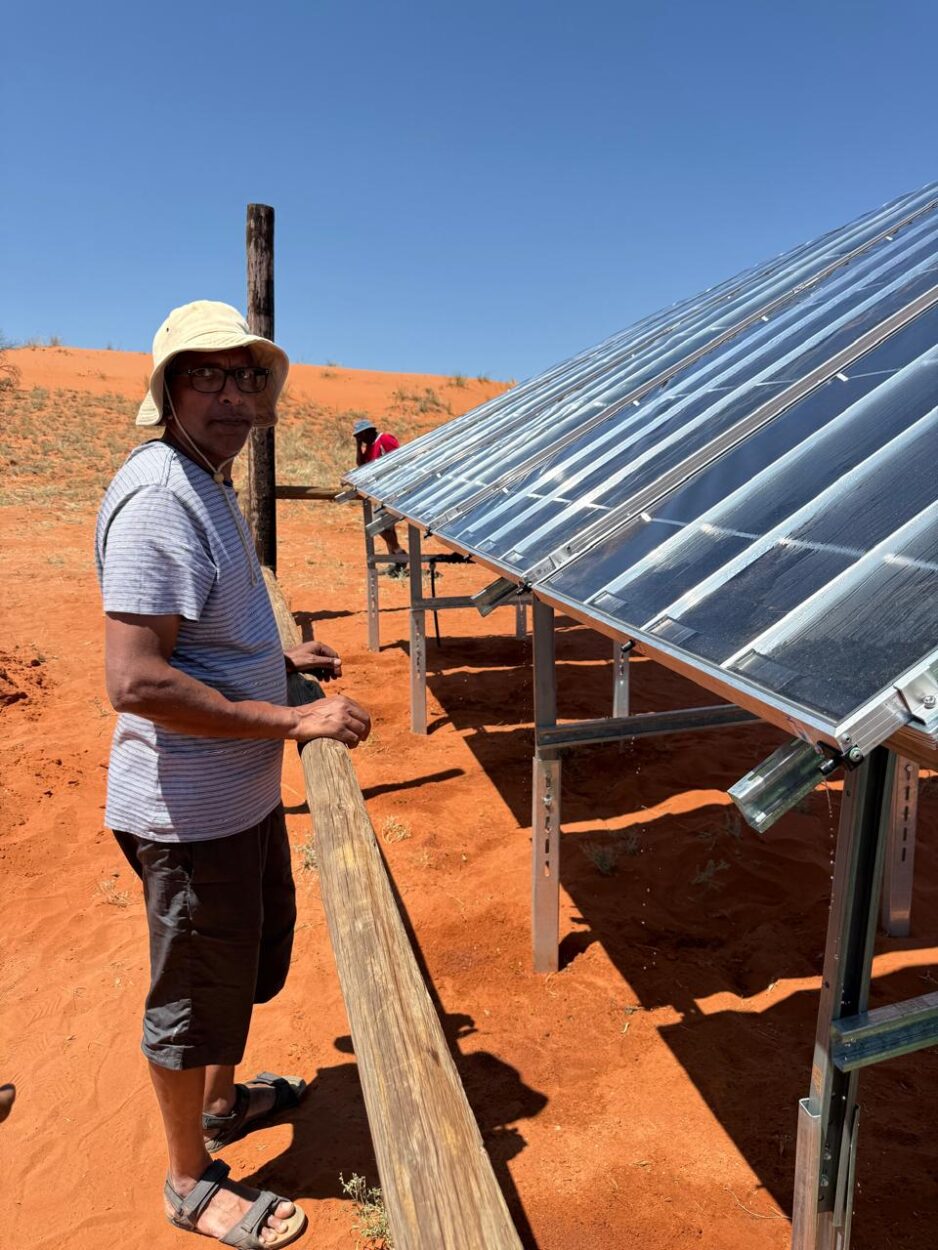
Next step is to get the Solar Panels up, breathe for a bit and then do the inverter and battery combinations.
Links:
Boilerplate and Editor’s Notes.
More Info on Want to Free Yourself From Municipal Electricity Bills? here:
Facebook: https://www.facebook.com/StratonElectrical/
CLICK HERE to submit your press release to MyPR.co.za.
My Press Release (MyPR) provides free South African targeted content and press releases for on and off line publishers and media.
Registering on MyPR enables public relations companies and practitioners to post articles under their own author name.
Public Relations Companies and practitioners, event organisers, sports and political writers use MyPR as a distribution mechanism for their press releases, content, images and news.
A forever free subscription allows publishers and media free access to all press releases, content and images on MyPR.
Land reform in South Africa: how new landholders could prosper from wildlife and not just farming
South Africa needs to track whether beneficiaries of land reform policies are participating in the country’s thriving wildlife economy.
Mantis Announces Three Eco-Luxury Landmark Openings Across Africa and the Middle East
Mantis today announced three new openings that will expand its global eco-luxury footprint across Africa and the Middle East.
South Africa: ‘The Children Come First’ – – Summer Holiday Programme in Eastern Cape, Brings Joy to Kids in Need
Every year, children from the Langbos and Valencia settlements near Addo, Eastern Cape, look forward to a summer holiday programme run by the Place of Mercy and Hope, and Lwazi Educare nonprofit …
If Your Article Fits These Criteria Then Your Featured Submission Is Free
We are offering free Featured Press Release publication to any article that fully encapsulate the following guidelines: Journalistic in style, Unique, Topical, Entertaining, Newsy, NOT an ad (or even a sniff of an ad) and to be Published FIRST on MyPR
In essence we are seeking to showcase and heavily promote articles submitted to MyPR that closely follow what Alfred Harmsworth (the Lord of Northcliffe) said about the news:
“News is what somebody somewhere wants to suppress; all the rest is advertising.” ~ Lord Northcliffe
Alfred Harmsworth, 1st Viscount Northcliffe (1865–1922) was a hugely influential British newspaper owner and proprietor of titles such as The Daily Mail and The Daily Mirror. His quote perfectly encapsulates the adversarial and investigative role he believed the press should play in holding power to account, separating genuine news from self-serving public relations material.
If you think that your article falls under the above guidelines then please use THIS form below to submit it. In turn and in addition to our normal promotion, we will also heavily promote DIRECTLY to some of our trusted journalists looking for genuine news. Don’t be fooled into thinking that we are only looking for investigative journalism scoops – unique news comes in many forms.
Suggestions: Sport/Culture Reports from your local school or club, Praise or condemnation for local municipalities, Celebrating a local achievement – you get the drift.
Please Log in to your MyPR Account and then submit at will. We will ONLY publish articles submitted by you as the Logged In user.
My Press Release (MyPR) provides free South African targeted content and press releases for on and off line publishers and media.
Registering on MyPR enables public relations companies and practitioners to post articles under their own author name.
Public Relations Companies and practitioners, event organisers, sports and political writers use MyPR as a distribution mechanism for their press releases, content, images and news.
A forever free subscription allows publishers and media free access to all press releases, content and images on MyPR.
Ghana World Cup 2026 squad: Otto Addo’s latest selection ahead of the World Cup draw
The Ghana World Cup 2026 squad is coming together nicely, as Otto Addo looks ahead to another major tournament …

Don’t Let Black Friday Turn Your Bank Account RED: A Guide to Avoiding Online Scams
- Don’t Race to the ‘Buy Now’ button
- Simple way to create a Bulletproof password
- Black Friday can end in disaster – here’s how to avoid that
Black Friday, Cyber Monday, and the entire festive shopping season are a golden opportunity for savvy shoppers to grab incredible deals. Unfortunately, they’re also a prime hunting ground for scammers, phishers, and other online miscreants looking to exploit the rush and excitement. As you navigate the digital aisles, staying vigilant is your best defence.
Here’s how to protect yourself and ensure your Black Friday savings don’t become a scammer’s gain.
Be Wary of “Too Good to Be True” Deals
This is the golden rule of online shopping. If a deal seems impossibly good, it probably is. Scammers often dangle unbelievably low prices on high-demand items to lure victims.
Action: If an item is listed significantly below its market value across other retailers, proceed with extreme caution. Research the seller independently.
Scrutinize Emails and SMSes: Phishing is Rampant
During peak shopping seasons, your inbox and phone will be flooded with promotional messages. Phishers mimic legitimate brands to trick you into revealing personal information or clicking malicious links.
Check the Sender: Look closely at the “From” address. It should match the official domain of the company (e.g., support@amazon.com, not amazon-deals@gmail.com). Slight misspellings are a common tactic (amaz0n.com vs amazon.com).
Hover Over Links (Don’t Click!): Before clicking any link, hover your mouse over it (on desktop) or long-press it (on mobile) to see the actual URL. If it doesn’t match the expected website, it’s likely a scam.
Look for Red Flags: Generic greetings (“Dear Customer”), poor grammar, spelling mistakes, and a sense of urgency (“Act now or lose out!”) are classic phishing indicators.
Go Directly to the Source: If an email announces an amazing deal, don’t click the link. Instead, open your browser and type the retailer’s official URL directly (e.g., www.stratlec.co.za) to verify the offer.
Verify Websites: Is it Legitimate or a Look-alike?
Fake websites are designed to steal your payment information or deliver counterfeit goods.
Check the URL: Ensure the website address is correct (e.g., www.woolworths.co.za, not woolworths-store.co). Look for https:// at the beginning, indicating a secure connection (though even scam sites can have this now).
Look for the Padlock Icon: A padlock symbol in the browser’s address bar indicates an SSL certificate, meaning your connection is encrypted. However, this alone doesn’t guarantee the site is legitimate.
Website Quality: Assess the site’s overall quality. Poor design, low-resolution images, broken links, and bad grammar are red flags.
Contact Information: Legitimate sites will have clear contact information (phone number, physical address, email). Test them if unsure.
Use Secure Payment Methods
How you pay can make a big difference in your protection if a scam occurs.
Credit Cards: Credit cards often offer strong fraud protection and chargeback options, allowing you to dispute unauthorized or fraudulent transactions.
Reputable Payment Gateways: Use trusted gateways like PayPal, PayFast, or Peach Payments. Avoid direct bank transfers, wire transfers, or cryptocurrency payments to unknown sellers, as these are almost impossible to reverse.
Avoid Saving Card Details (Unless Highly Trusted): While convenient, saving card details on less-frequented or new websites increases your risk if their security is breached.
Protect Your Personal Information
Be stingy with the information you share online.
Only Provide Necessary Information: Legitimate retailers only need information relevant to your purchase and shipping. Be suspicious if they ask for your ID number, bank account details (beyond payment for the transaction), or other sensitive data unnecessarily.
Strong, Unique Passwords: Use strong, unique passwords for each online shopping account. Consider a password manager.
Two-Factor Authentication (2FA): Enable 2FA wherever possible (e.g., for banking apps, email, and major shopping accounts). This adds an extra layer of security.
Create a Long Password for EACH Web Site Account – A Bulletproof method
Suggestion – choose a core set of letters, number and special characters as a BASE for your password, e.g. TwoWords!@#456, then apply a standard set of rules based on the web site that you find yourself on, e.g. Insert web site name after the exclamation mark AND the domain identifier at the end – using this method your password for Fraud Alert will be: TwoWordsFraudAlert!@#456.co.za. And there you have an easy to remember long password that allows you to have a UNIQUE Password for EVERY web site you visit.
In that way you also have an audit trail to see where a password leak occurred.
Be Cautious with Public Wi-Fi
Avoid Sensitive Transactions: Public Wi-Fi networks (coffee shops, malls) are often unsecured, making it easier for criminals to intercept your data. Avoid making purchases or accessing banking details on public Wi-Fi.
Use a VPN: If you must use public Wi-Fi, use a Virtual Private Network (VPN) to encrypt your connection.
Monitor Your Bank Statements
Regular Checks: Keep a close eye on your bank and credit card statements during and after the Black Friday period.
Report Suspicious Activity: Report any unauthorized or suspicious transactions to your bank immediately.
Be Skeptical of Social Media Ads
Scammers frequently use social media platforms to promote fake deals.
Research the Seller: Don’t blindly trust an ad because it appears in your feed. Click on the seller’s profile and check for legitimacy (age of account, reviews, follower engagement, professional content).
Look for Reviews: Search for reviews of the company or product outside of the social media platform.
Black Friday offers incredible opportunities, but a little extra caution goes a long way. By being vigilant, skeptical, and following these guidelines, you can enjoy the thrill of securing great deals without falling prey to online scammers. Happy (and safe) shopping!
Images:

Links:
Boilerplate and Editor’s Notes.
More Info on Don’t Let Black Friday Turn Your Bank Account RED: A Guide to Avoiding Online Scams here:
CLICK HERE to submit your press release to MyPR.co.za.
My Press Release (MyPR) provides free South African targeted content and press releases for on and off line publishers and media.
Registering on MyPR enables public relations companies and practitioners to post articles under their own author name.
Public Relations Companies and practitioners, event organisers, sports and political writers use MyPR as a distribution mechanism for their press releases, content, images and news.
A forever free subscription allows publishers and media free access to all press releases, content and images on MyPR.